

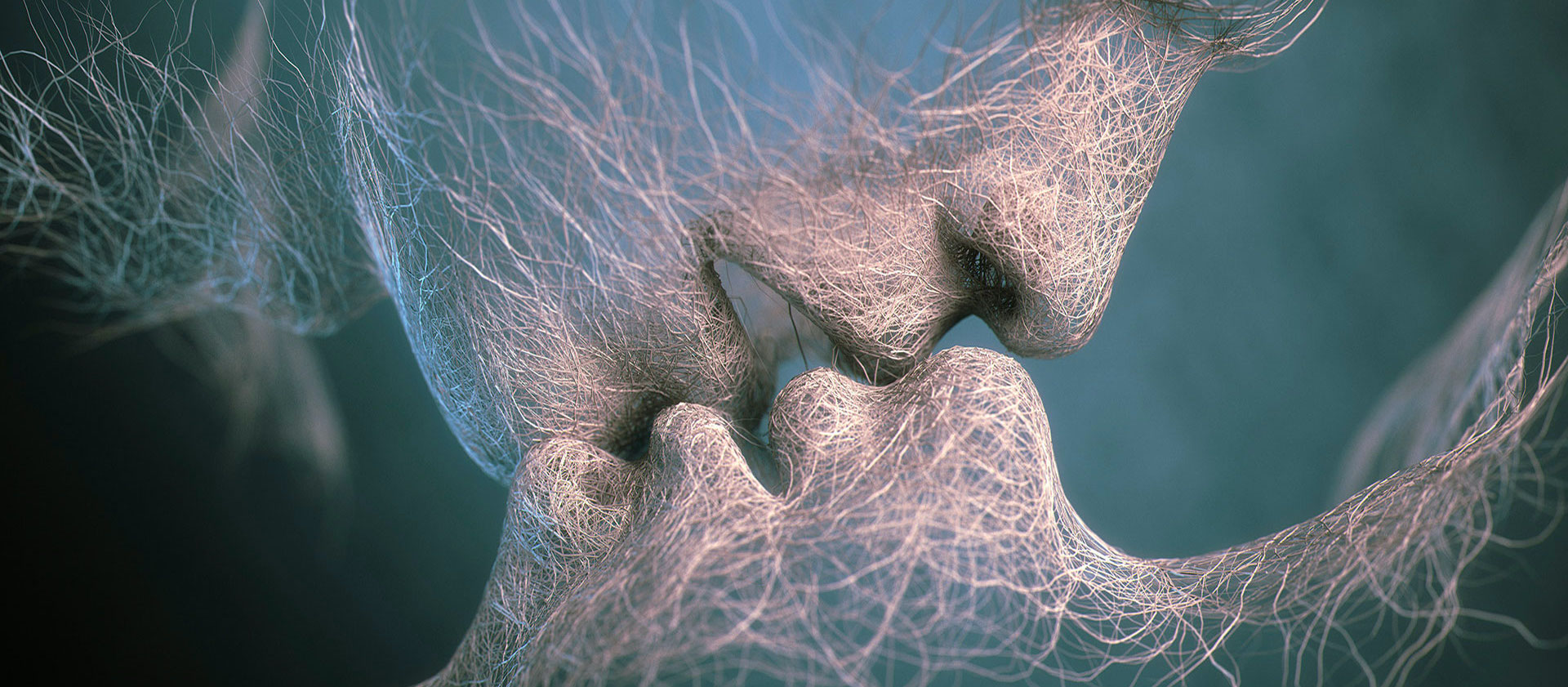
I want to begin this series of articles with preliminaries (or foreplay, I might say) about love. Love—such a big yet small word!
What follows comes from direct experience acquired over the years. Most societies leave young men and women completely uneducated about love. As a young man, I had no clue what love and sex really meant beyond physical arousal and the technical play we could have with it. People can expand their consciousness through love and sex if they want to. However, most seem to remain where education has left them—at ground zero—leaving them unhappy, illiterate, and frustrated about this most important aspect of the human experience: love.
Love as an art
First postulate: see love as an art. I became aware of this in my 30s after reading Erich Fromm‘s beautiful book “The Art of Loving” (you can read a little of it here).
If we consider love an art, Fromm writes, then it has both a theoretical and a practical aspect, just as painting, music, or dance do. In dance, we
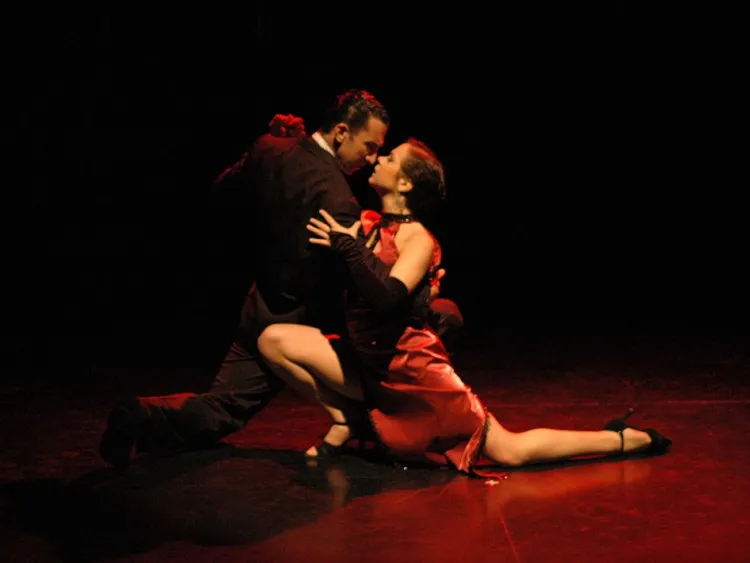
build body balance and flexibility and cultivate extraordinary physical empathy with our partners. We develop an infinite set of gestures and steps. In music, we stretch our fingers, play our scales, learn dozens of chords, train our ears, and connect gestures with emotion. We must learn and integrate movements, techniques, and compositions. In love, we learn how to develop the “sense of the individuality of the other,” as Steiner writes—in other words, how we can open our empathic doors to the extreme. One needs significant personal development to avoid falling into the alienating and conflicting abysses of fusion. In the sexual expression of love, we discover gestures and breathings that open us to the knowledge of our bodies, energies, and mutual ecstasy. Regardless of the form of art, only patient learning leads to creative freedom.
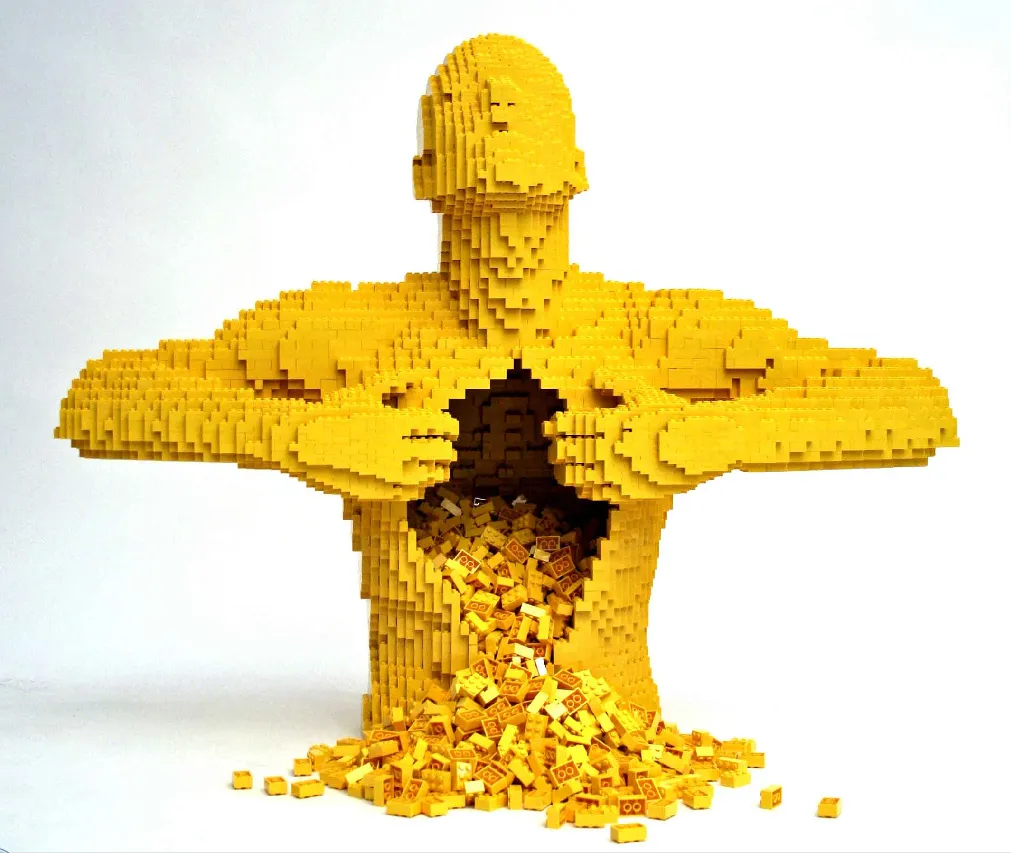
Love as an art produces an even more essential aspect than the technical side described by Fromm: by its very nature, art predicates limitless freedom and creativity. Most people experience love conventionally. We copy and paste the standard social models of love the same way we repeat the doctrines of religion. But art putrefies in the catacombs of conventionalism. Love as an art must endlessly open new paths.
It relentlessly breaks the walls of morals, religion, social order, and cultural diktat. Don’t we feel amazed and laugh when we see texts, words, paintings, or movies that once shocked past generations? Today, they look old-fashioned and mainstream! Yet, what remains in us that continues to block, alienate, and make us deny others? What shadows keep us trapped in the denial of our essence, our freedom, and our divinity? Art, regardless of its form, has always pushed boundaries and established new horizons. Love as an art means continuously reinventing ourselves and hunting our limitations.
Love is not a feeling
Through experience, life has offered me a second postulate: we cannot reduce love to a feeling or an emotion. Love arises from a state of consciousness that brings us into a “state of love.” We don’t fall in love; we rise in it. When we love, reality changes. Landscapes become enchanted, the air smells good, the weather feels nice even when it rains, and life turns into a dream. We feel joyful and taken by a desire for kindness toward the world. The grayness of life vanishes. Indeed, love provokes feelings and emotions, but these arise as consequences of our inner state.

Let’s not confuse causes and consequences. Our emotions, thoughts, and feelings constitute ingredients produced by the inner source of consciousness. If anger, jealousy, or fear emerge from your “love,” do you truly love? When the gauges turn red, they indicate you have left the state of love. Maybe you want to possess the other, maybe the other possesses you, maybe you suffer from a pathological need for recognition, or a fear of solitude… Don’t delude yourself: in the name of socially defined love, you transform into a tyrant—toward yourself and toward the other(s). You don’t love, or you don’t love anymore.
I like to see authentic love as a shining sun. A sun doesn’t direct its
beams toward specific celestial bodies. It simply shines. Sometimes its light illuminates planets, which in turn shine and radiate outward. We can’t calculate love; it doesn’t direct itself toward specific things or people. Love arises from an inner state that can only nourish itself—from being, through being. Love exists only when it has no conditions. Then it becomes love with the other, not love of the other. In the state of love, we become two luminous stars, shining upon one another.
The language of love

And now?
Now that I have shared some preliminaries, I can start speaking more directly about my experience. I will continue with the 4 guides that illuminate and guide my loving life.
“` This version improves readability, grammar, and flow while preserving your original intent. Let me know if you’d like any refinements!


